


‹ BackNewsSouth Korea crypto

South Korea crypto

South Korea c
2026-08-19 00:44:00

South Korea’s top crypto exchanges saw revenue nearly halve in H1, with Dunamu staying profitable while Bithumb fell into the red

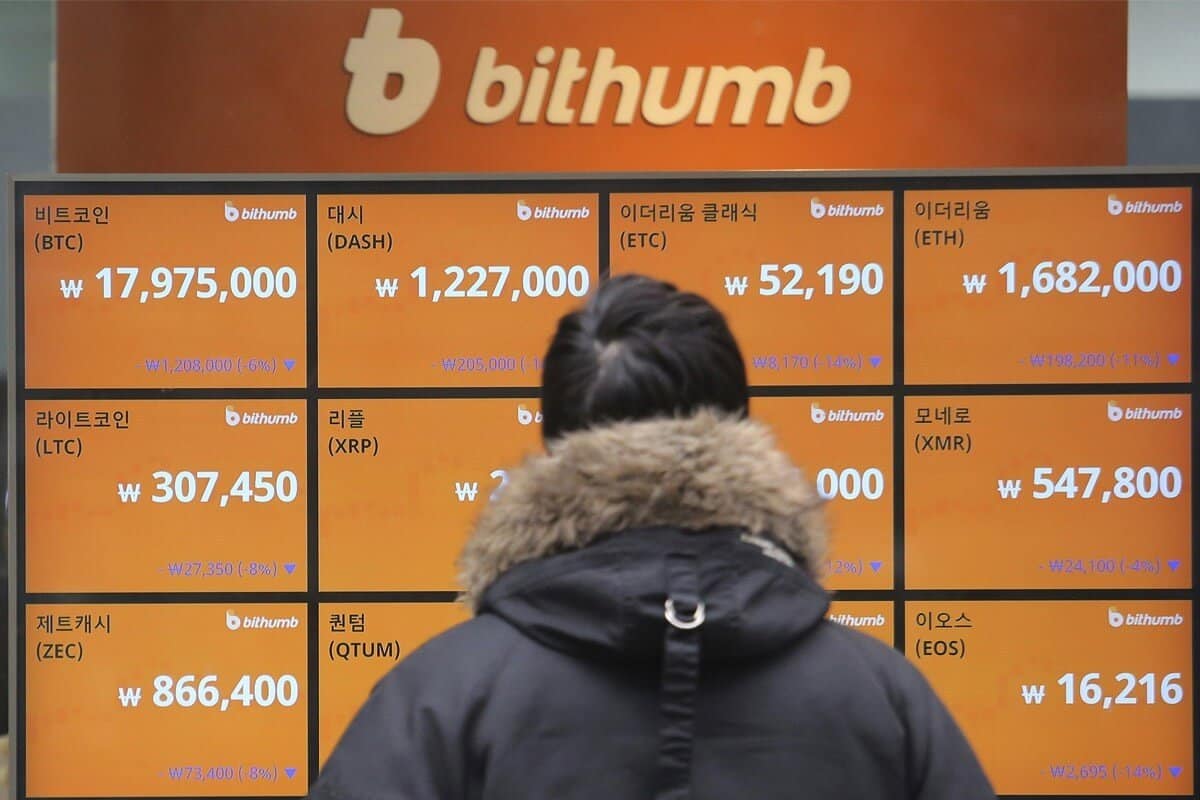
South Korea’s two biggest crypto exchange operators reported sharply weaker first-half results on Aug. 14, showing how closely exchange earnings still track trading activity. Dunamu, the parent company of Upbit, posted 408.1 billion won in consolidated operating revenue for the first half of 2026, down 49.1% year over year. Operating profit fell 79.7% to 111.5 billion won, while net profit dropped 74.1% to 108.4 billion won. Bithumb reported 168.8 billion won in revenue, down 48.7%, with operating profit of 14.9 billion won, down 83.4%, and a net loss of 108.7 billion won versus a net profit of 55 billion won a year earlier. The backdrop was a broad contraction in local trading activity. Combined second-quarter volume across South Korea’s five licensed KRW exchanges — Upbit, Bithumb, Coinone, Korbit and Gopax — fell 49.5% year over year to about $146.4 billion, cutting directly into fee income. The report said Dunamu benefited from better cost control, while Bithumb’s loss included digital asset impairment and administrative expenses related to regulatory penalties. It also pointed to a shift in Korean retail money toward AI and semiconductor stocks such as Samsung Electronics and SK Hynix, as well as expectations around a 22% crypto capital gains tax due to begin in January 2027. Both companies are still pushing IPO plans, but their latest numbers put fresh pressure on how public investors may value fee-driven exchange businesses.

1380
South Korea’s top crypto exchanges saw revenue nearly halve in H1, with Dunamu staying profitable while Bithumb fell into the red
2000
Upbit and Bithumb step up token listings as Korean crypto trading stays weak
Upbit
2026-08-03 10:20:45

Upbit’s 67.4% share shows how tightly Korea’s crypto market is tied to retail anxiety

Upbit has tightened its grip on South Korea’s crypto market, with the article citing mid-2026 data showing the exchange holding a 67.4% share among the country’s five licensed KRW-based exchanges, far ahead of Bithumb’s roughly 27.1%. The piece argues that this dominance is not just a matter of platform design or brand recognition, but a product of South Korea’s market structure and retail psychology. According to the report, Upbit benefited from early backing tied to fintech company Dunamu, brand awareness linked to KakaoTalk, and deep banking integration with K-Bank that made KRW deposits and withdrawals easier for retail users. In a market shaped by strict real-name bank account rules and limited access to derivatives on compliant venues, liquidity has become the decisive advantage. That has left smaller exchanges such as Coinone, Korbit and Gopax with only marginal market shares. The article also connects Korea’s intense crypto participation to broader social pressure. High housing costs, youth unemployment and frustration over limited paths to upward mobility have pushed many younger investors toward volatile assets. In that setting, Upbit is portrayed as more than the largest exchange in the country: it functions as a barometer of local retail risk appetite, especially as capital rotates between stocks and crypto depending on where short-term returns appear stronger.

490
Upbit’s 67.4% share shows how tightly Korea’s crypto market is tied to retail anxiety
OKX Teams Up with Korea Investment & Securities to Acquire 20% Stake in Coinone; Hana Financial Snaps Up Dunamu Shares